CULTURAL GUIDE
Kathmandu & Nagarkot: temples, squares and Himalayan sunsets
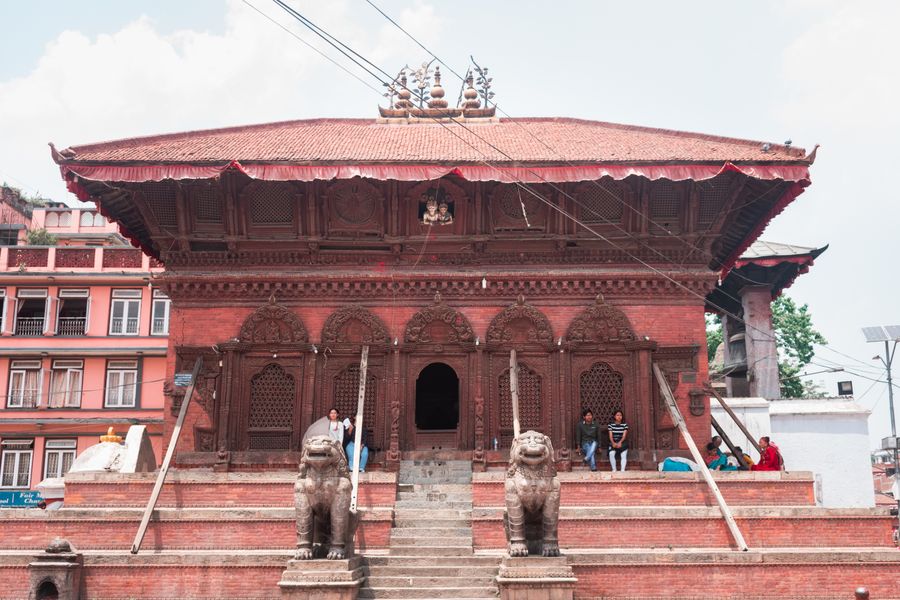
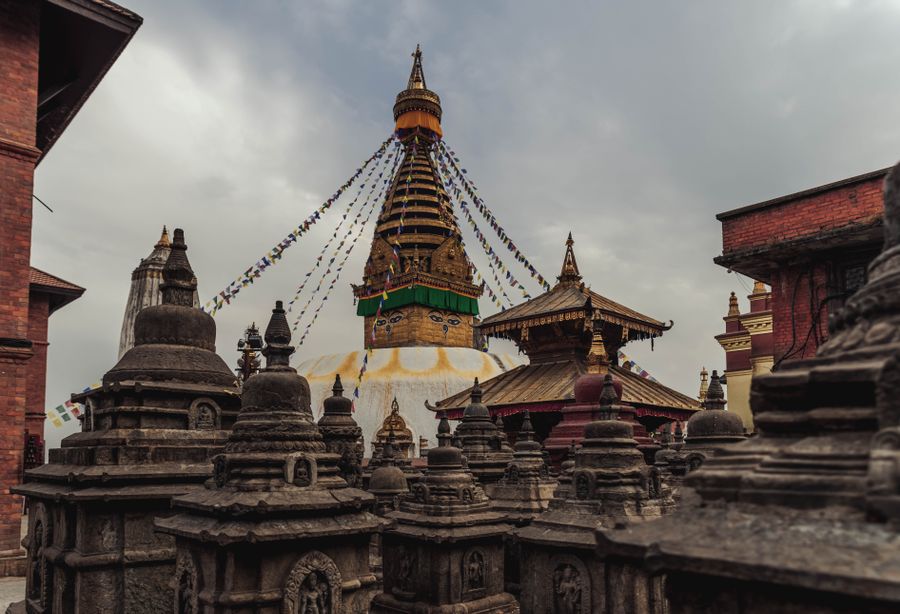
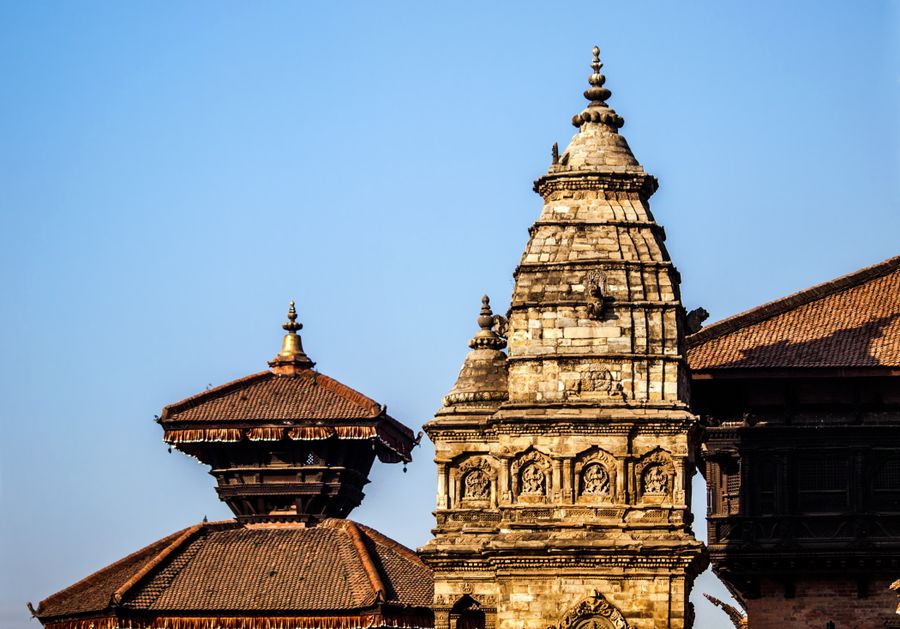
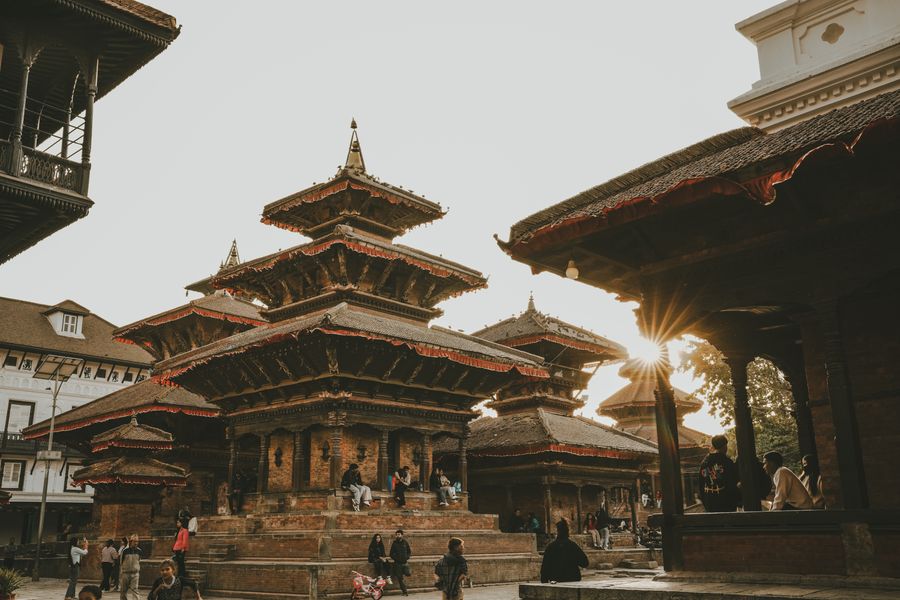
Kathmandu Valley holds seven UNESCO World Heritage Sites inside an area you can comfortably cover in a few days — a density of temples, palace squares and living tradition that few cities anywhere can match. At its centre are the three Durbar Squares of Kathmandu, Patan and Bhaktapur, each once the seat of a separate royal kingdom, each with its own distinct architecture of pagoda-roofed temples, carved wooden windows and stone courtyards that still function as working public space rather than roped-off museum pieces.
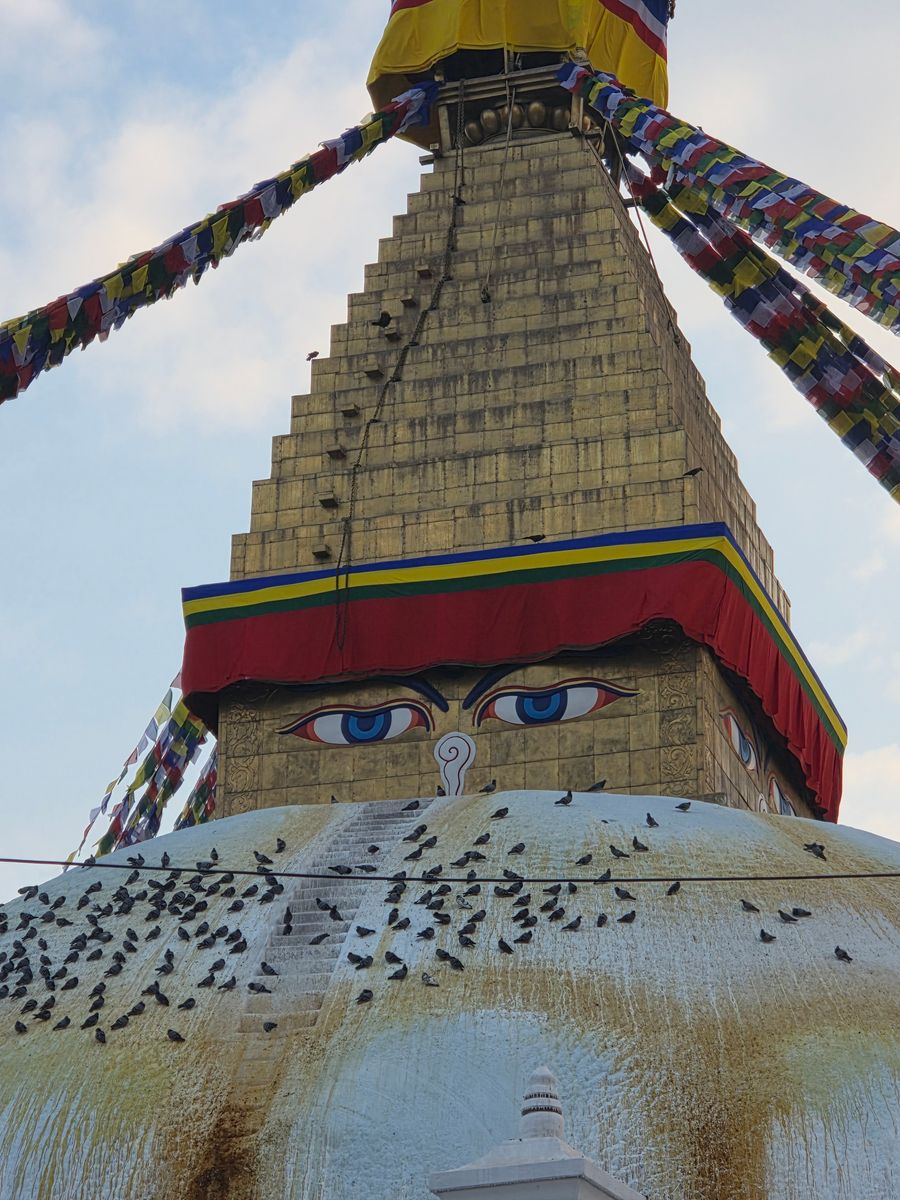
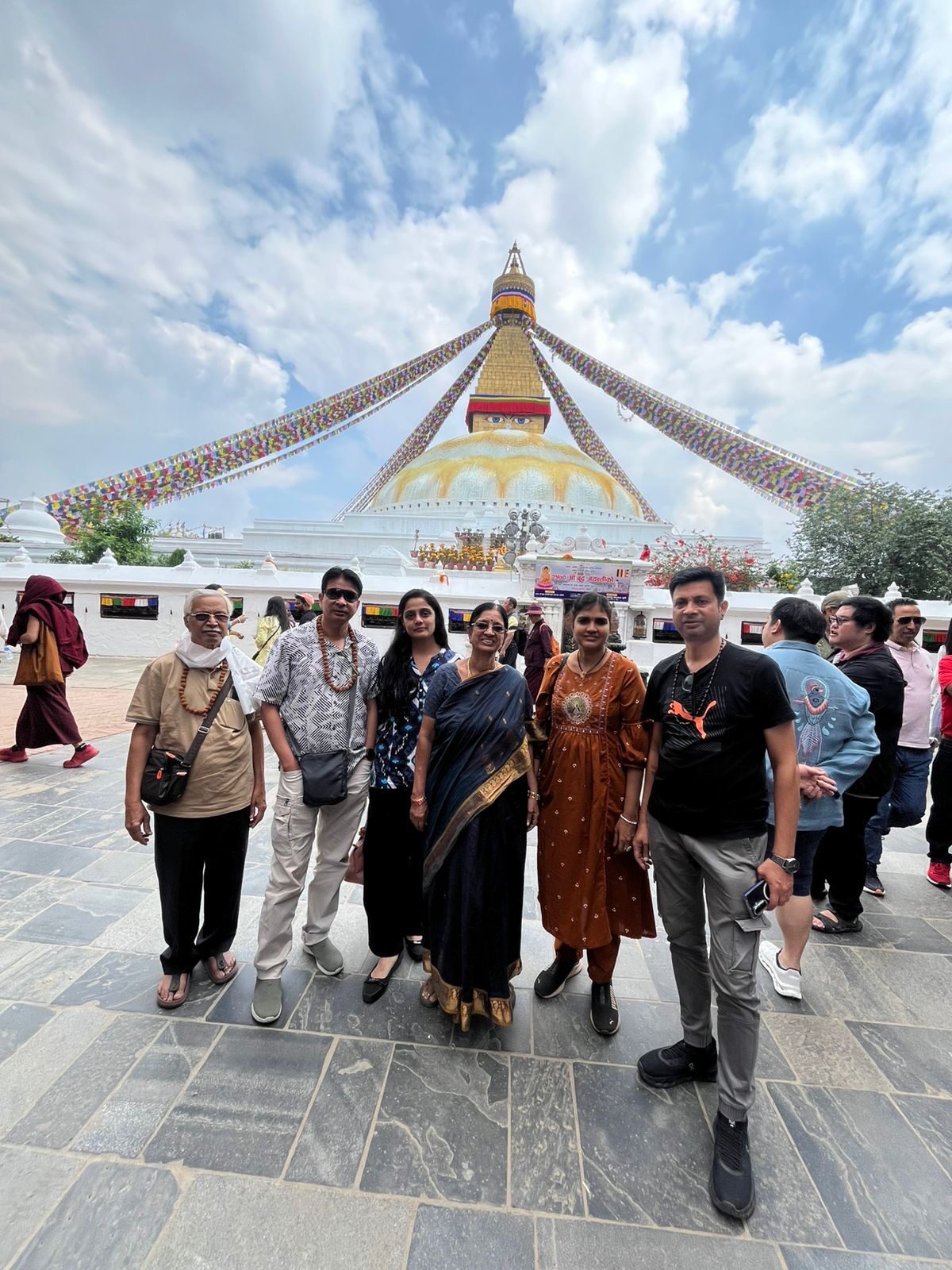
Pashupatinath, on the banks of the Bagmati River, is one of the most important Hindu temple complexes in the world and remains an active cremation site — a place to observe respectfully rather than treat as a photo backdrop. Boudhanath Stupa, one of the largest stupas in the world, anchors Kathmandu's Tibetan Buddhist community; arriving at dawn means walking the kora circuit alongside monks and locals before the tour groups appear.
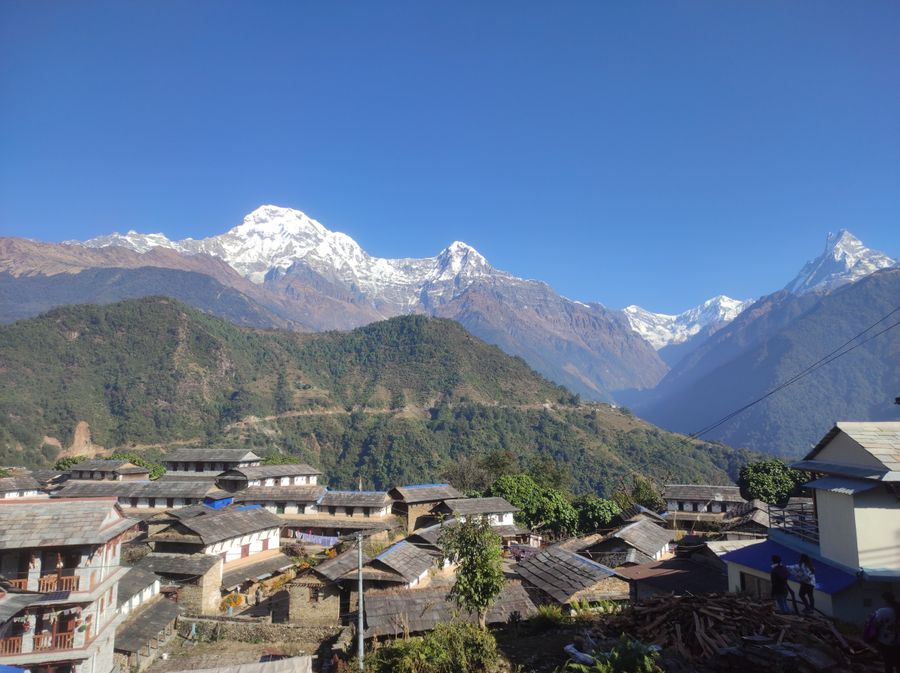
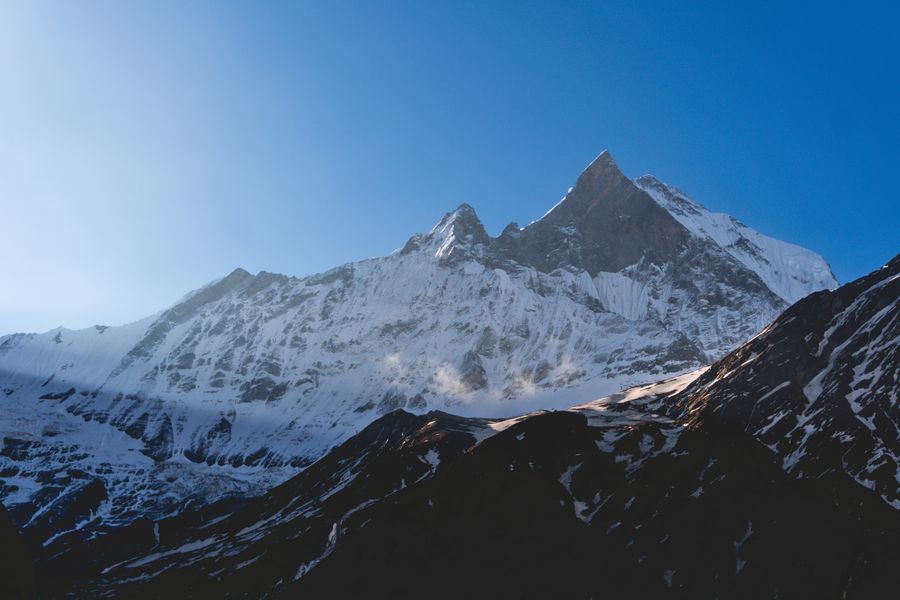
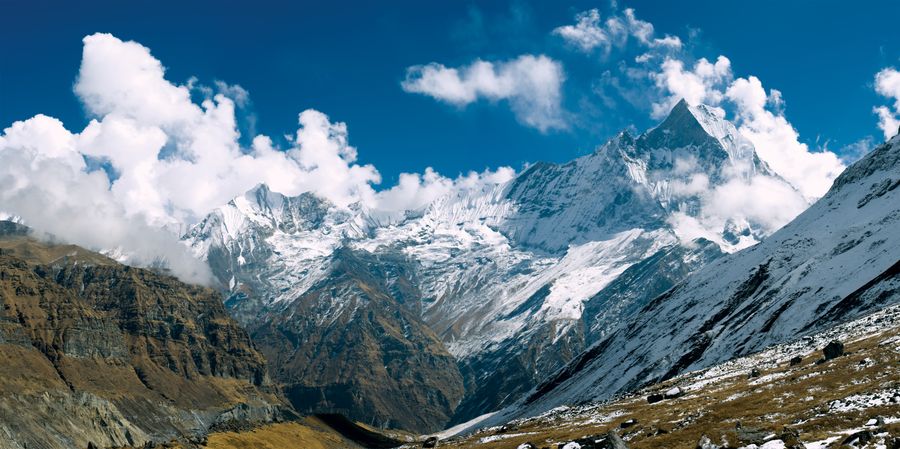
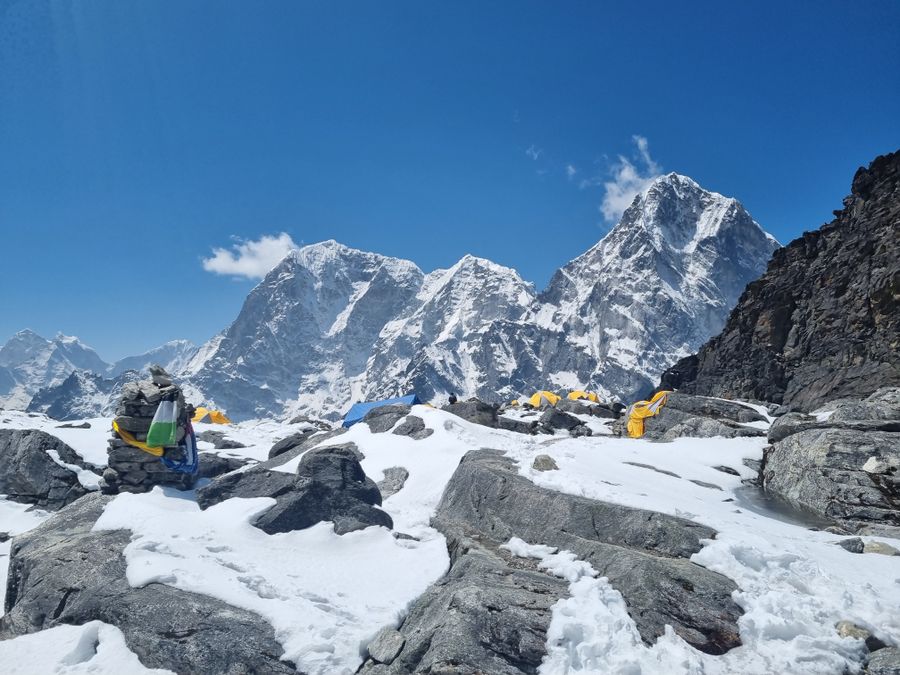
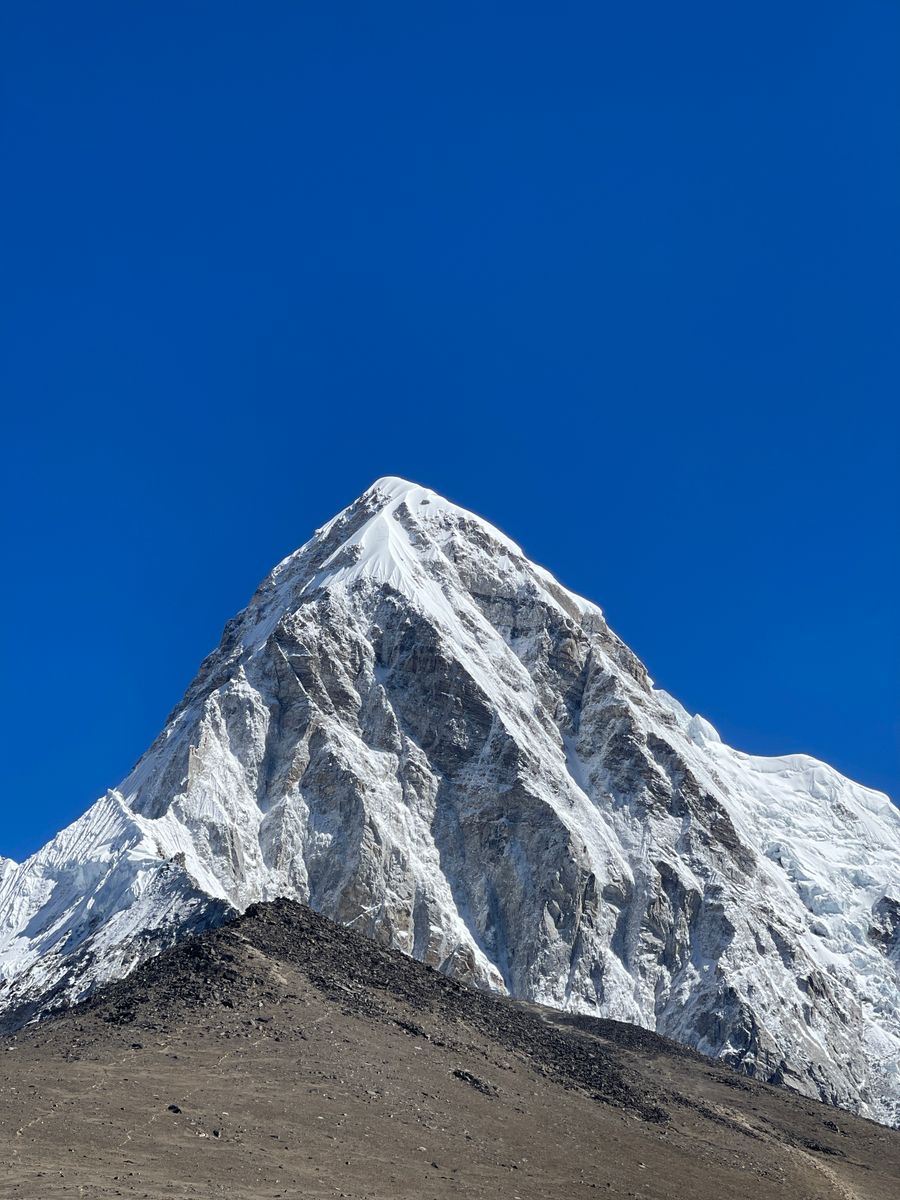
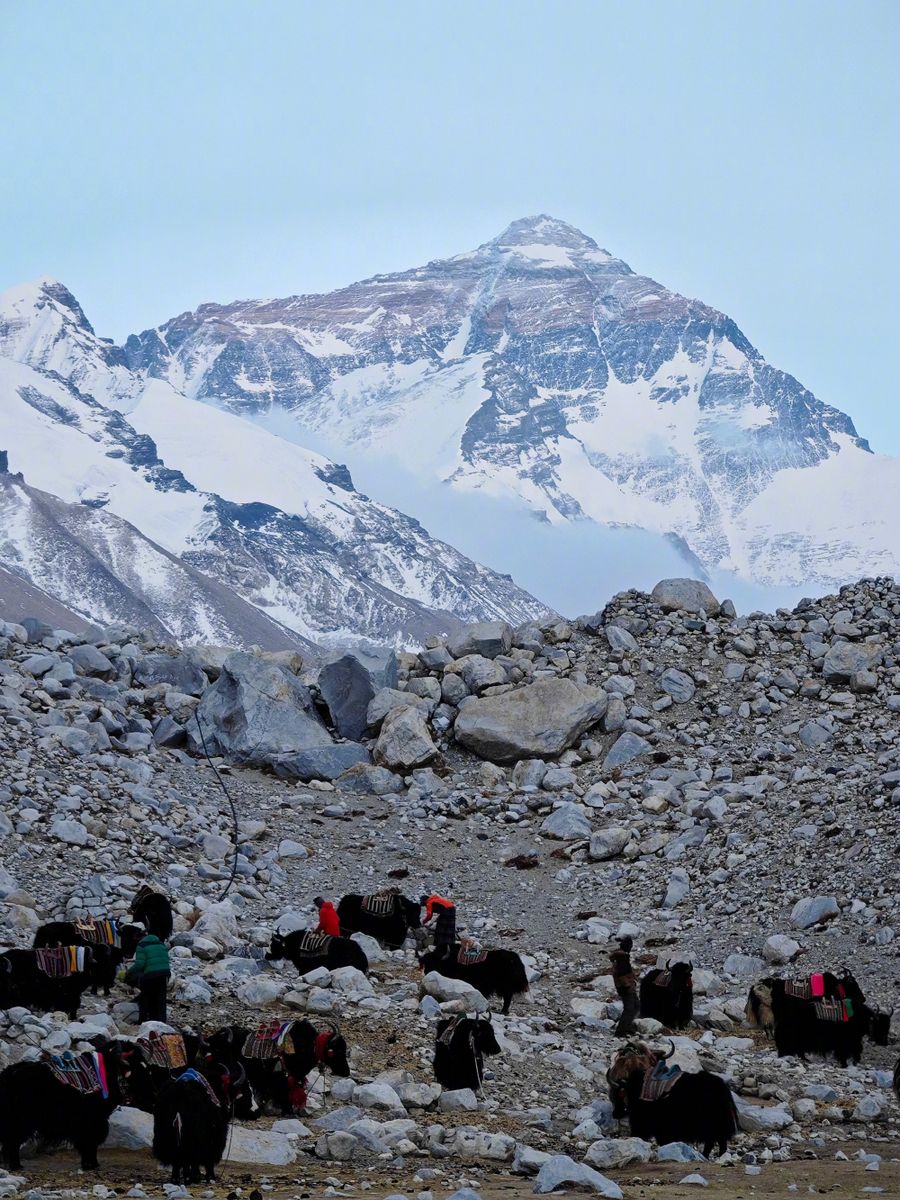
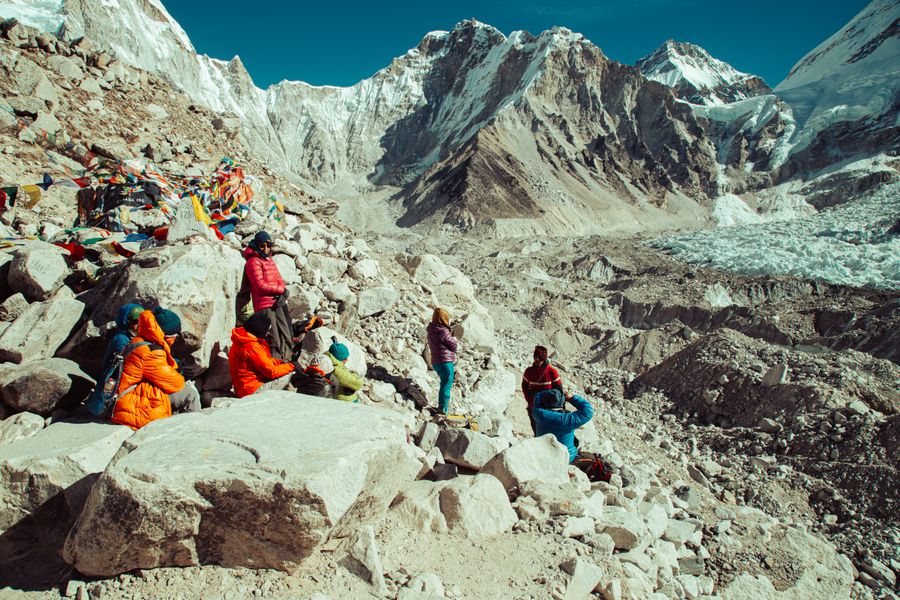
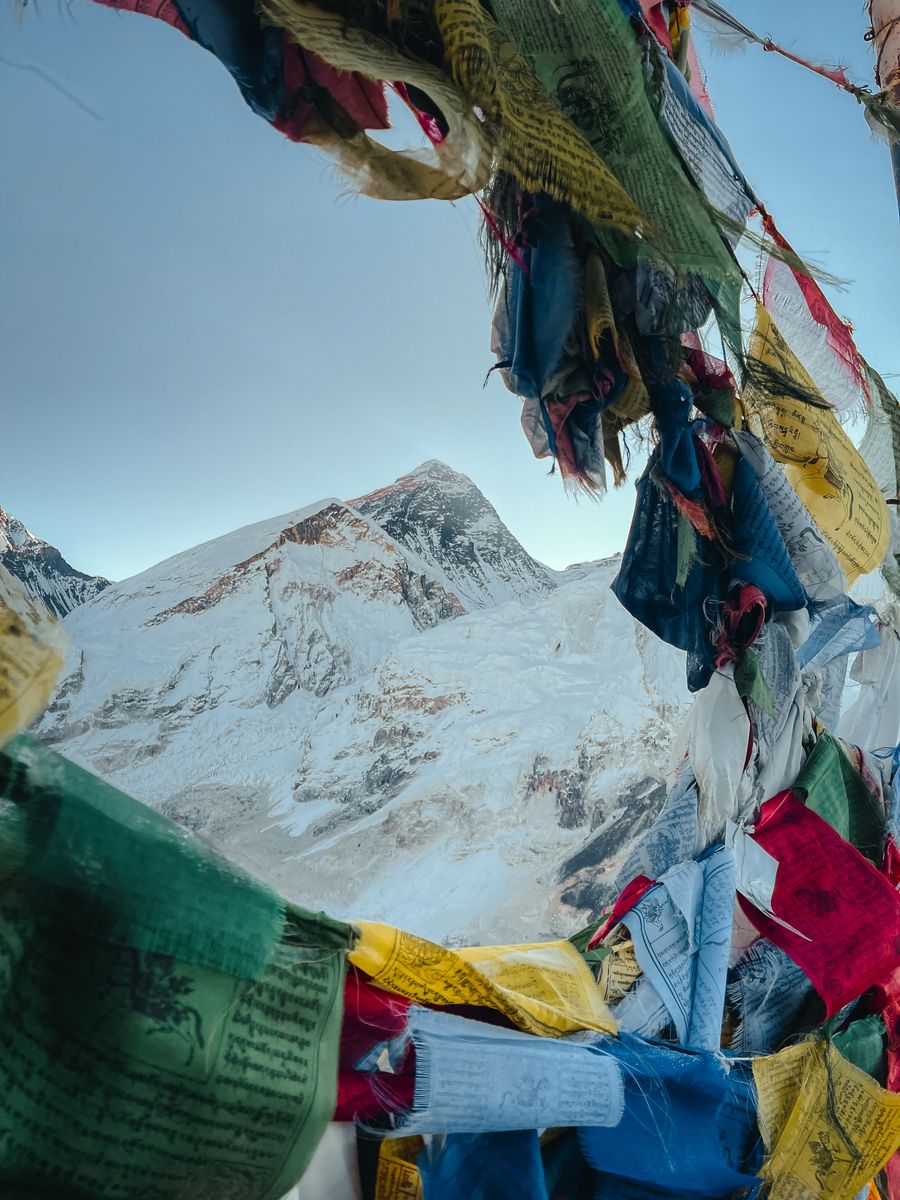
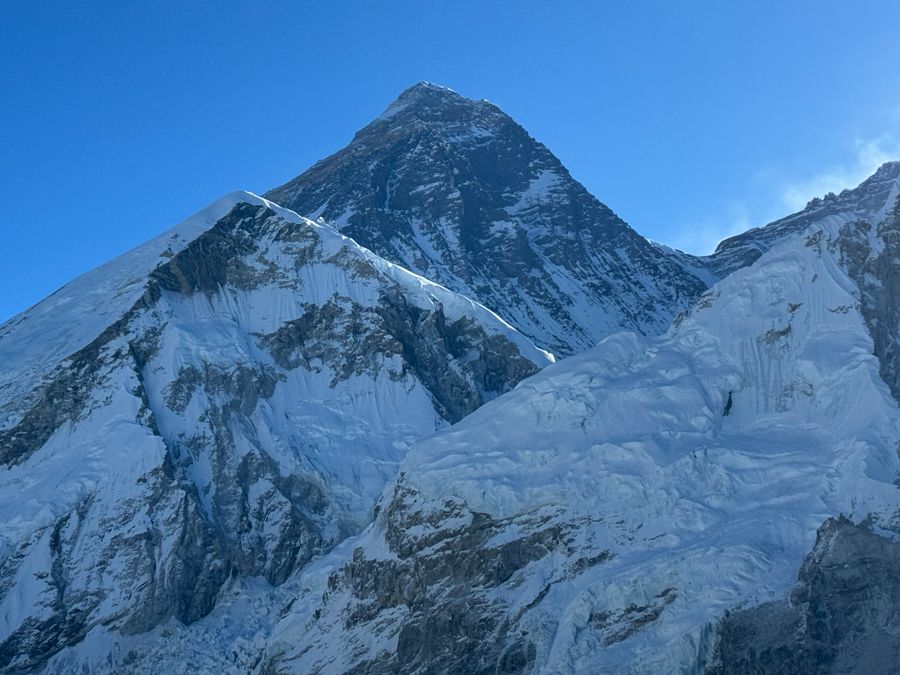
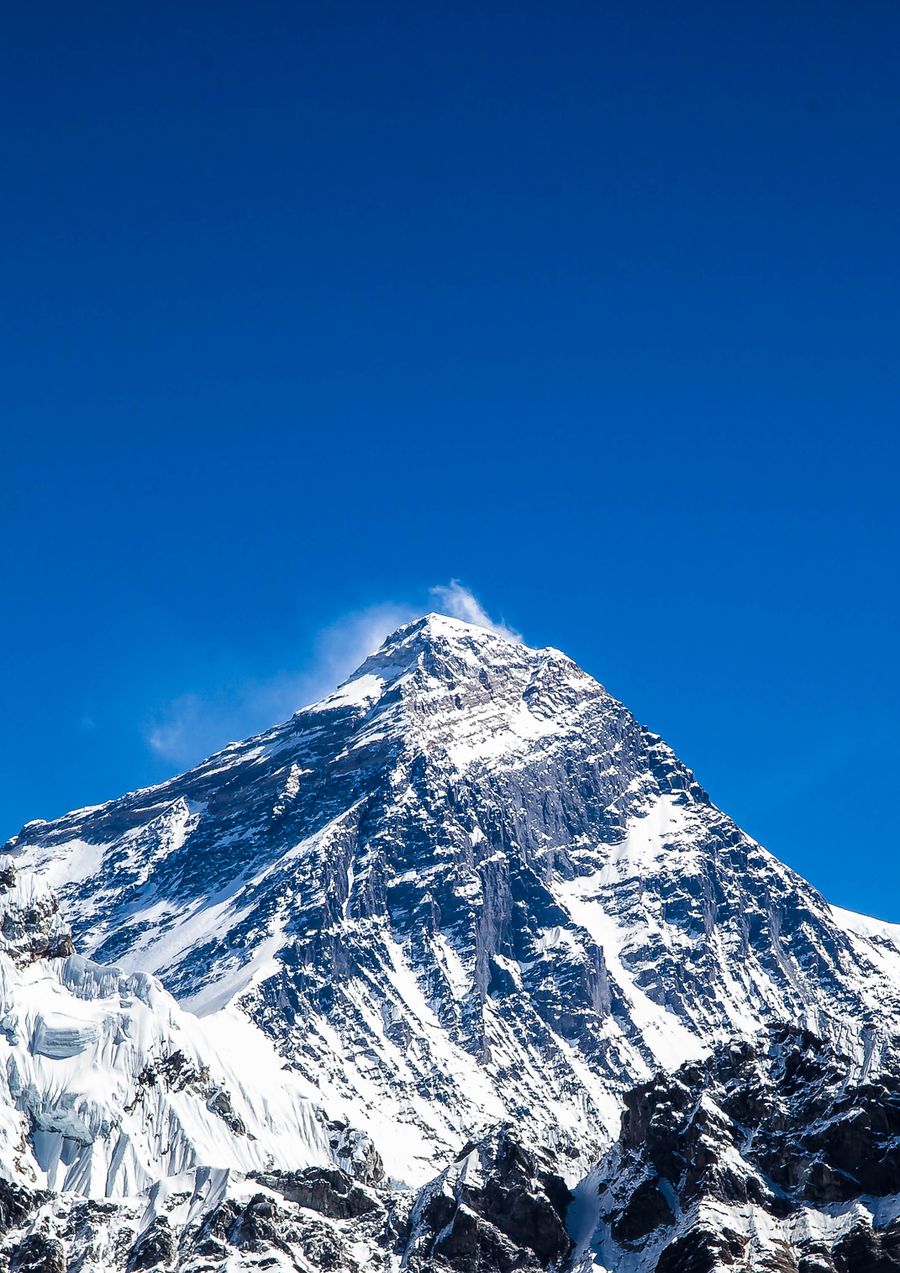
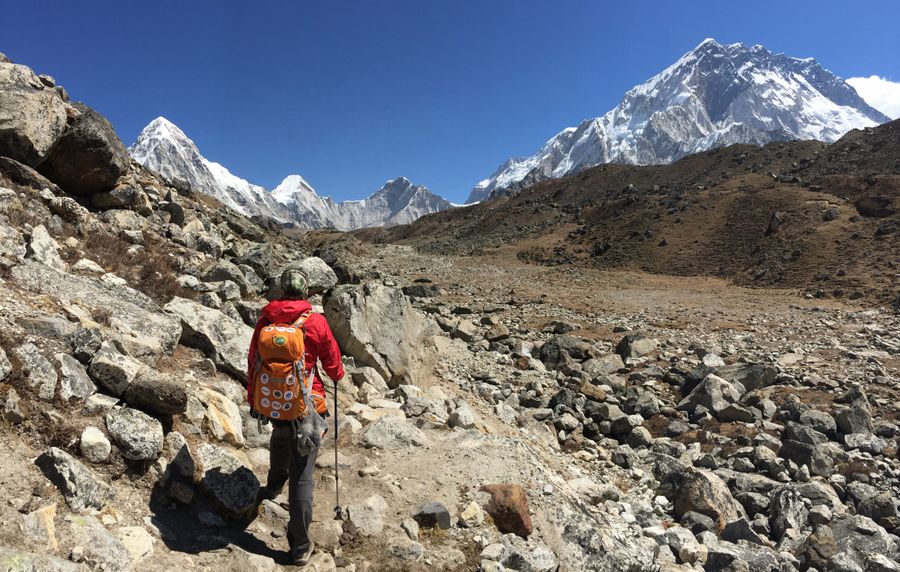
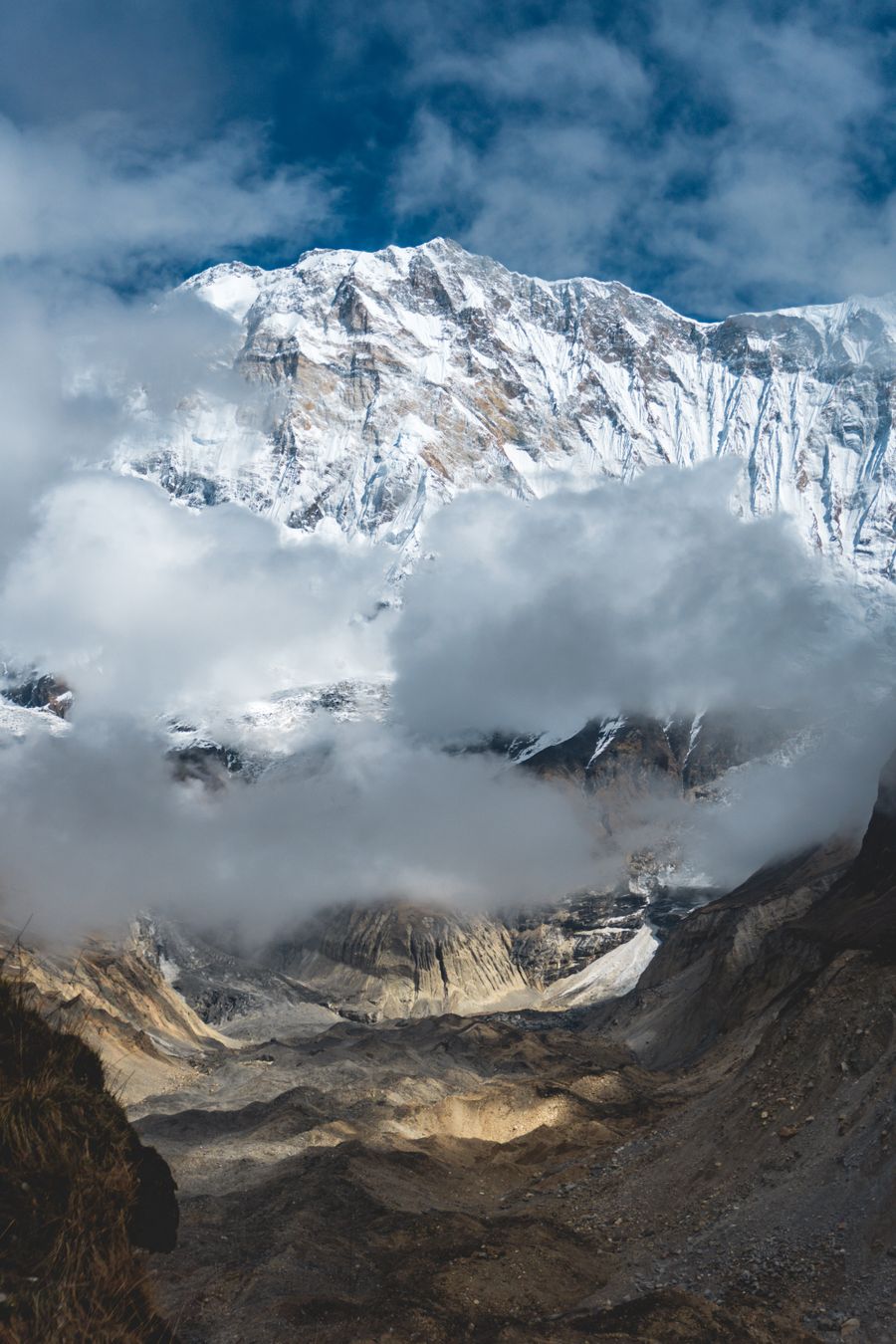
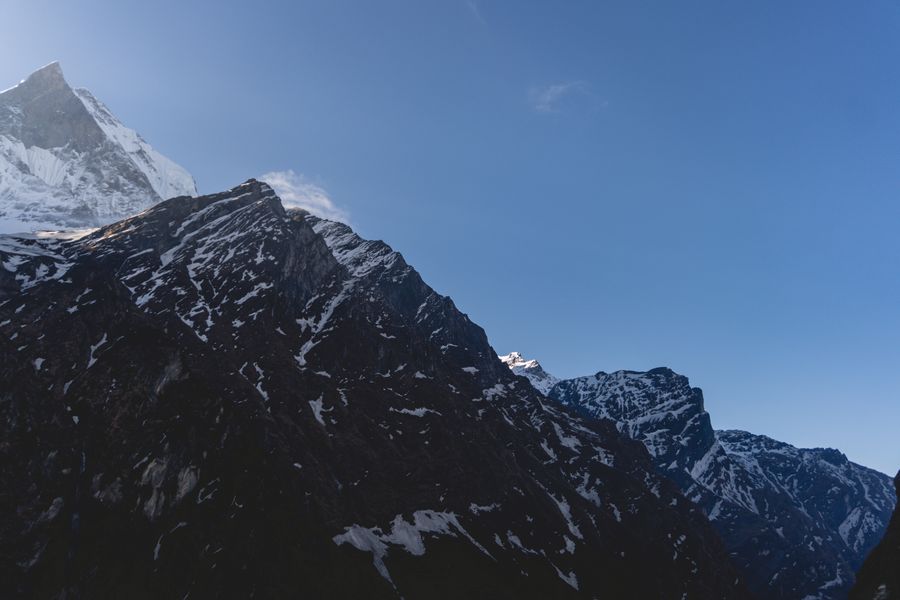
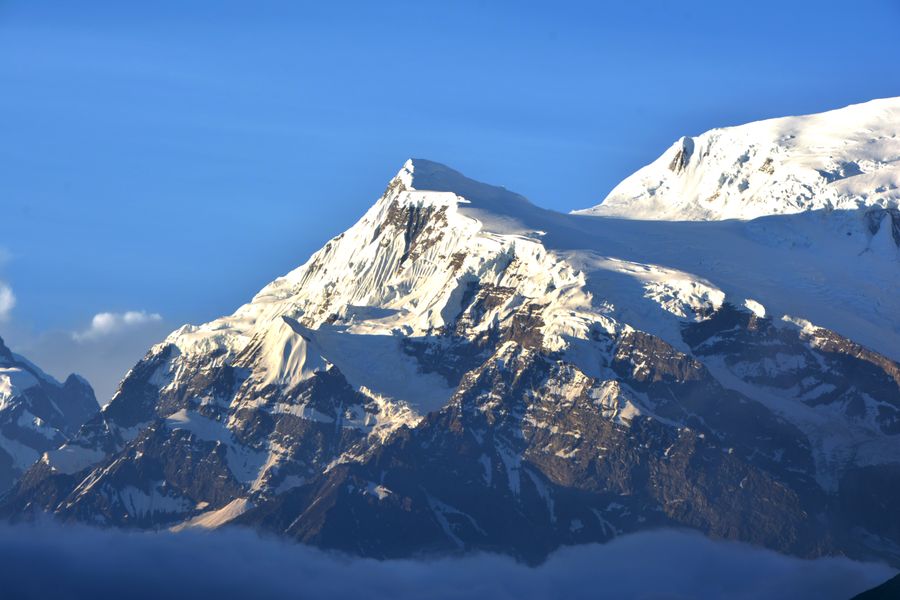
Nagarkot, roughly 90 minutes from the city by road, sits on a ridge at around 2,175m and is the classic escape from valley heat and haze. On a clear day — most reliable in autumn and early spring — the sunrise and sunset views stretch across a wide arc of the Himalaya, including Everest on the horizon in good conditions. It's a short trip, but it's the easiest way to see genuine mountain scenery without committing to a multi-day trek.
FAQs
Our standard itinerary is 3 nights / 4 days, which comfortably covers the main Durbar Squares, Pashupatinath, Boudhanath, Swayambhunath and a sunset-to-sunrise stay in Nagarkot. It can be shortened to a long weekend or extended if you want to add Bhaktapur or Patan in more depth.
Mountain visibility depends entirely on weather, and no operator can guarantee a clear view on any given day. Autumn (Sept–Nov) and early spring have the best odds. Even without mountain views, Nagarkot itself is a pleasant hill-station stop with hiking trails and terraced countryside.
Not strictly, but an English-speaking guide adds real context to sites that can otherwise look like "just another temple" to a first-time visitor — the history, the living rituals, and what's respectful versus what's not (footwear, photography restrictions, cremation etiquette at Pashupatinath).